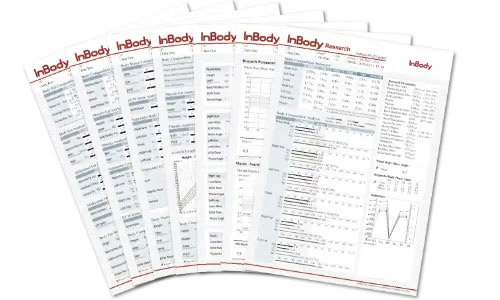
Body composition refers to the proportion of fat, muscle, water, and other components in your body. Unlike BMI, which only considers your weight and height, body composition analysis offers a more detailed understanding of your health by breaking down your weight into fat and lean mass, giving you a clearer picture of your overall fitness.


Why Weight Alone Isn’t Enough
Body Mass Index (BMI) is a simple formula that calculates a person’s body weight in relation to their height. It’s computed by dividing a person’s weight in kilograms by the square of their height in meters.
However, BMI doesn’t distinguish between muscle, fat, or water. This means two individuals with the same height and weight will have the same BMI, but their body compositions could be completely different. One person may have more muscle, while the other may carry more fat. Despite having the same BMI, their health and fitness levels may vary significantly, highlighting BMI’s limitations as a sole health measurement.
The Benefits of Body Composition Analysis
A Holistic Approach to Health
Body composition analysis offers more insight than just weight or BMI. By understanding the balance of muscle, fat, and water in your body, you can make informed decisions about your health and fitness. Here are some of the key benefits:
Track Progress More Accurately
Unlike weight alone, body composition allows you to see changes in muscle and fat, providing a clearer picture of your health improvements over time.
Personalize Health & Fitness Plans
With detailed insights into your muscle and fat distribution, you can create more targeted nutrition and exercise plans tailored to your specific goals.
Monitor Health Risks
High body fat, especially around the organs (visceral fat), is associated with increased risks of conditions like heart disease, diabetes, and certain cancers. Regular body composition analysis helps keep these risks in check.
Understand Your Body’s Hydration
Body composition analysis also measures water levels in the body, which is important for performance, recovery, and overall health. Identifying imbalances in water distribution can help prevent dehydration or overhydration.
Understanding Different Body Types
What Are Examples of Body Composition?
There are various types of body composition, and most people will fall into one of four common categories. By identifying your specific body type, you can better understand your health and create a more effective plan for fitness, nutrition, and overall wellness, taking the right steps toward achieving your goals.
Balanced Body Composition
This individual has a balance between weight, body fat percentage, and muscle mass. However, even in this balanced state, high body fat can still pose health risks, so it’s essential to assess fat distribution.
High Body Fat, Low Muscle Mass
People in this group may have a normal weight for their height but a high body fat percentage and low muscle mass. Despite being within a “healthy” weight range, this composition can increase health risks.
High Muscle Mass, Low Body Fat
These individuals have more muscle mass, which may cause their weight to be higher on the BMI scale, but their low body fat percentage indicates good health. This is typical for athletes or those involved in strength training.
Low Muscle Mass, Low Body Fat
Individuals in this category may have lower overall body weight with minimal muscle mass and fat. Although they may have a low BMI, a lack of muscle can impact strength, metabolism, and overall health.
Measuring Progress
Tracking your progress in body composition can provide valuable insights into the effectiveness of your diet and exercise regimen. By focusing on key body composition outputs, you can monitor changes over time and make informed adjustments to your fitness and nutrition plans.

Percent Body Fat (PBF)
Percent Body Fat, or Body Fat Percentage, is a more accurate measure of health than weight or BMI. It reveals the proportion of fat mass in your total body weight. For a healthy body fat level, aim for a PBF of 10–20% for males and 18–28% for females. Understanding your PBF can help you set realistic fitness goals and track improvements.
Skeletal Muscle Mass (SMM)
Skeletal Muscle Mass is essential for mobility, posture, and overall health. Body composition analysis can provide detailed information on how much muscle mass you have in different body segments. This insight allows you to focus on building muscle in specific areas or correcting imbalances to achieve a healthy muscle mass balance.
Total Body Water (TBW)
Total Body Water is divided into two categories: extracellular water (ECW) and intracellular water (ICW). Maintaining a healthy balance of body water is crucial for overall health. With body composition analysis, you can identify changes in your water balance, enabling you to address potential issues and ensure optimal hydration.